Anhedonia Test: How Nutrition Can Help Restore Your Joy
Have you noticed that food just doesn’t taste as satisfying as it used to? When experiencing anhedonia—the persistent inability to feel pleasure—even your favorite meals might feel bland and uninteresting. If you're grappling with this emotional numbness, you're not alone. Emerging research reveals a powerful connection between what you eat and your brain’s ability to process joy. This guide explores science-backed nutritional strategies that may help support emotional responsiveness, while emphasizing that understanding your symptoms through a validated free anhedonia test remains the crucial first step in your wellness journey.
The Gut-Brain Connection: Insights from Your Anhedonia Test
What happens in your gut doesn't stay in your gut—it directly communicates with your brain through the gut-brain axis. This bi-directional highway explains why digestive issues often coincide with mood changes.
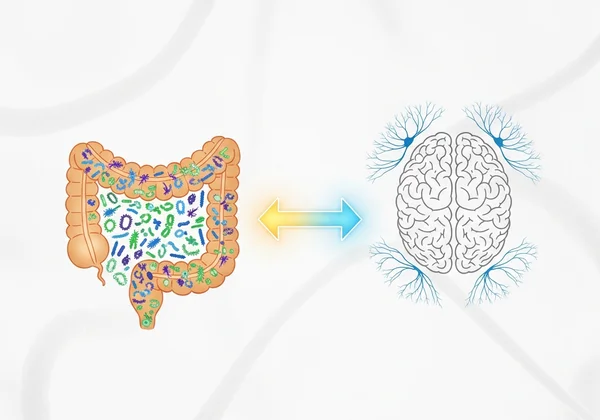
Understanding the Microbiome’s Role in Mood Regulation
Your gut microbiome—home to trillions of bacteria—produces 90% of your body’s serotonin, the neurotransmitter vital for mood stability and pleasure perception. Studies show that probiotic-rich foods can:
- Increase dopamine receptor sensitivity
- Reduce inflammatory molecules linked to emotional numbness
- Improve nutrient absorption critical for neurotransmitter production
Inflammation: The Hidden Link Between Diet and Emotional Numbness
Chronic inflammation acts like static on your brain’s reward circuit. Highly processed foods trigger cytokine production that can:
- Damage dopamine pathways
- Reduce neural plasticity in pleasure centers
- Increase oxidative stress in brain tissue
When inflammation persists, even normally enjoyable activities may fail to register as rewarding—a hallmark of anhedonia. This connection underscores why your scientific anhedonia assessment could reveal important patterns worth discussing with a nutritionist.
Key Nutrient Deficiencies Linked to Anhedonia Symptoms
Research identifies specific nutritional gaps that may worsen anhedonia symptoms. Always consult your doctor before supplementing, as these deficiencies often overlap with other conditions:
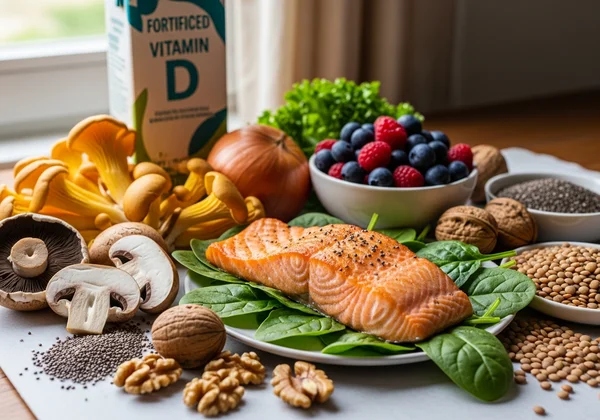
Vitamin D: The Sunshine Vitamin’s Impact on Reward Processing
Over 40% of adults with mood disorders show vitamin D deficiency. This nutrient:
- Regulates tyrosine hydroxylase (the enzyme that makes dopamine)
- Protects dopamine neurons from oxidative damage
- Enhances glutamatergic signaling involved in pleasure anticipation
Food sources: Fatty fish, UV-exposed mushrooms, fortified plant milk
B Vitamins: Essential for Neurotransmitter Production
B9 (folate) and B12 deficiencies correlate strongly with anhedonia severity. These nutrients:
- Help convert tryptophan into serotonin
- Support methylation processes crucial for dopamine synthesis
- Maintain myelin sheaths protecting reward pathway neurons
Food sources: Lentils, spinach, nutritional yeast, eggs
Omega-3 Fatty Acids: Supporting Brain Cell Communication
EPA and DHA omega-3s comprise 30% of brain cell membranes. Human studies demonstrate they:
- Increase gray matter volume in reward-related regions
- Reduce neuroinflammation in as little as 8 weeks
- Enhance dopamine release and receptor sensitivity
Food sources: Walnuts, chia seeds, algae oil, sardines
Curious how your symptoms align with these deficiencies? Consider pairing dietary changes with insights from a validated screening tool for personalized guidance.
Anhedonia Diet: Foods That Support Emotional Processing
Probiotic-Rich Foods for Gut Health
Choose at least one daily serving from:
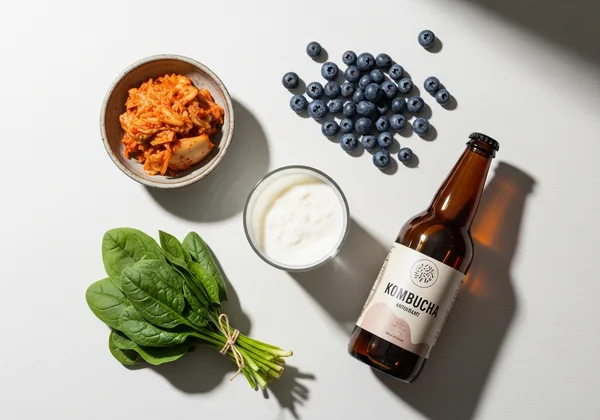
- Fermented vegetables: Sauerkraut, kimchi (choose unpasteurized)
- Cultured dairy: Kefir, yogurt (look for "live active cultures")
- Fermented teas: Kombucha (low-sugar varieties)
These foods deliver beneficial bacteria that may improve emotional processing within 4 weeks. To see how your current diet might be impacting your symptoms, consider taking a quick self-assessment.
Antioxidant-Packed Fruits and Vegetables
Prioritize deeply pigmented choices:
- Berries: Wild blueberries (anthocyanins protect dopamine neurons)
- Leafy greens: Spinach, Swiss chard (rich in mood-supporting magnesium)
- Cruciferous veggies: Broccoli sprouts (sulforaphane reduces neural inflammation)
Protein Sources for Neurotransmitter Support
Aim for 20-30g protein per meal from:
- Tryptophan sources: Turkey, pumpkin seeds, tofu
- Tyrosine sources: Grass-fed beef, almonds, cottage cheese
- Plant-based combos: Brown rice + black beans, hummus + whole grain pita
These proteins provide precursor molecules your brain needs to manufacture "feel-good" neurotransmitters.
Nutritional Strategies to Implement Gradually
Simple Meal Swaps to Boost Nutrient Intake
- Instead of cereal → Oats with walnuts, chia seeds, and berries
- Replace soda → Sparkling water with lemon and mint
- Swap chips → Roasted chickpeas with turmeric
- Rather than sweets → Dark chocolate (70%+ cacao)
Supplements to Consider (With Professional Guidance)
Discuss these options with your healthcare provider:
- Vitamin D3: 1000-4000 IU/day pending bloodwork
- Omega-3s: 1000-2000mg EPA/DHA combo
- Methylfolate: Active B9 form (especially if MTHFR mutation)
- Probiotics: Look for strains like Bifidobacterium longum 1714™
Foods to Limit or Avoid
- Ultra-processed snacks: Disrupt gut diversity
- Added sugars: Trigger dopamine spikes/crashes
- Trans fats: Promote neuroinflammation
- Excessive alcohol: Depletes B vitamins and magnesium
Important: Dietary changes work best when tailored to your specific symptoms. **Take 5 minutes for a confidential self-assessment to better understand your needs before overhauling your diet.
Nourishing Your Path Toward Emotional Reconnection
While no single food "cures" anhedonia, strategic nutrition creates the biochemical foundation for improved emotional processing. By focusing on gut-supporting probiotics, inflammation-fighting antioxidants, and neurotransmitter-building proteins, you empower your brain’s innate capacity to experience joy.
Remember:
- Focus on adding: Prioritize what you can add to your diet, not just restrict.
- Be patient: Gut-brain improvements can take 4-8 weeks to become noticeable.
- Track progress: Use a food-mood journal to monitor changes.
- Partner with professionals: Nutritional strategies complement—but don’t replace—therapeutic support.
Wondering how your nutrition might be affecting your ability to feel joy? Your journey toward emotional reconnection starts with understanding your unique patterns. Take our validated screening tool and start your journey.
Frequently Asked Questions About Nutrition and Anhedonia
Can diet really make a difference in treating anhedonia? Yes—but as part of a comprehensive approach. Research shows dietary improvements may enhance medication or therapy effectiveness, reduce inflammation linked to emotional numbness, and support neuroplasticity in the brain's reward pathways. Use our clinically-validated tool to establish a baseline before making changes.
How long does it take for dietary changes to affect mood? Most studies show noticeable improvements in emotional responsiveness within 8-12 weeks, though gut microbiome shifts can begin in days. Pair nutritional strategies with cognitive techniques for compounded benefits. A good first step is to understand your baseline to track progress accurately.
Are there specific supplements that help with anhedonia? Some research supports omega-3s, vitamin D, and specific probiotics, but effectiveness depends on individual deficiencies. Think of these as potential signposts directing you toward specific interventions. Discover your anhedonia risk factors through our personalized reports.
How does gut health connect to the ability to feel pleasure? Your gut microbiome produces neurotransmitters (like serotonin and dopamine), regulates inflammation that affects the brain's reward centers, and influences the absorption of nutrients needed for mood regulation. The gut's profound impact highlights the need for collaborative health management.
Should I replace my current treatment with dietary changes? Never discontinue prescribed treatments without medical guidance. Instead, use a three-step approach:
- Assess your symptoms with our confidential screening tool.
- Discuss the results with your healthcare team.
- Integrate nutrition as an evidence-based adjunct to your current plan.
Remember, anhedonia is multifaceted. Your most effective approach will combine professional support with lifestyle strategies tailored to your unique biology.