Anhedonia Test Insights: How Brain Chemistry Steals Your Joy
Feeling a lack of joy or interest in things you once loved can be deeply confusing and isolating. Is something wrong with me, or am I just tired? This is a question many people ask themselves. While the experience of anhedonia is emotional, its roots often lie deep within the intricate workings of our brain chemistry. Understanding this connection is a powerful first step toward clarity.
This article will demystify the complex interplay of neurotransmitters—the brain's chemical messengers—that contribute to anhedonia. We will move beyond simple explanations to offer a comprehensive, science-backed look at what’s happening inside your brain. This knowledge can validate your feelings and illuminate the path forward. If you're looking to understand your own experience, a confidential self-assessment can be a great place to start.

Unpacking the Brain's Pleasure Pathways: Key Neurotransmitters
Our ability to feel pleasure, motivation, and satisfaction isn't just a fleeting emotion; it's a biological process managed by a team of chemical messengers called neurotransmitters. They send signals between nerve cells, influencing everything from our mood to our desire to get out of bed. When this delicate communication system is disrupted, our capacity for joy can be diminished. Let's explore the key players involved.
Dopamine: The Architect of Reward and Motivation
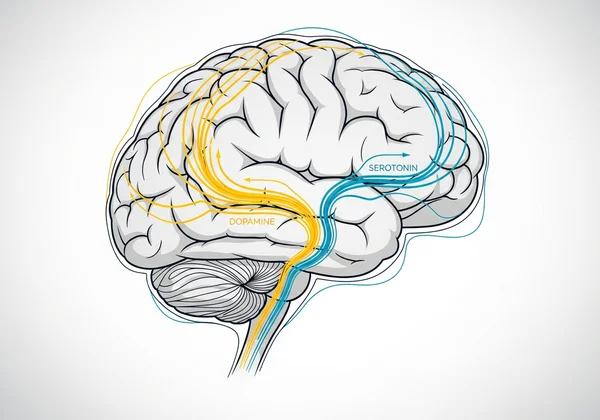
Dopamine is often called the "pleasure chemical," but its role is more nuanced. It is the primary driver of our brain's reward system. Dopamine is less about the feeling of pleasure itself and more about the anticipation and motivation to seek out rewarding experiences. It's the force that says, "Hey, that was good! Let's do it again."
When dopamine signaling is weak or dysregulated, you may not lose the ability to enjoy something in the moment, but you lose the drive to pursue it. This is why anhedonia often feels like a profound lack of motivation. The world doesn't seem to offer any rewards worth seeking, leading to a state of apathy and disinterest.
Serotonin: Modulating Mood and Emotional Well-being
While dopamine is about seeking rewards, serotonin is about feeling content and emotionally stable. It helps regulate mood, anxiety, and overall feelings of well-being. Think of serotonin as the chemical that allows you to savor and appreciate the positive moments you experience. It adds emotional richness and depth to life.
In the context of anhedonia, low serotonin function can make it difficult to feel positive emotions, even when good things happen. You might go through the motions of an enjoyable activity, but the corresponding feeling of happiness or satisfaction feels distant or muted. This contributes to the sense of emotional numbness that often accompanies anhedonia.
Glutamate and GABA: The Excitatory and Inhibitory Balance
While dopamine and serotonin get most of the attention, they don't work in isolation. The brain relies on a delicate balance between its primary "on" switch (glutamate) and its "off" switch (GABA). Glutamate is an excitatory neurotransmitter that helps brain signals fire, while GABA is an inhibitory neurotransmitter that calms them down.
Our pleasure pathways rely on this delicate balance. Too much or too little activity disrupts dopamine and serotonin. This complexity shows why anhedonia isn’t a simple fix. Research increasingly points to imbalances in the glutamate and GABA systems as a key factor in conditions like depression and anhedonia.
Brain Chemistry Imbalances & Anhedonia Symptoms
Understanding the key neurotransmitters is the first step. The next is seeing how changes in their levels or function directly translate into the symptoms of anhedonia. It's not a personal failing or a lack of willpower; it is often a tangible shift in your neurobiology.
The Impact of Neurotransmitter Imbalances on Emotional Processing
When neurotransmitters fall out of balance, your brain struggles to process emotions. A weakened dopamine system dampens motivation, while low serotonin mutes joy. This can lead to "reward deficit syndrome," where activities that should feel good simply don't register. At the same time, low serotonin makes it hard for positive feelings to break through. Together, they trap you in a cycle of numbness.
The Role of Stress and Inflammation in Neurochemical Dysregulation
Our brain chemistry doesn't exist in a vacuum. It is profoundly affected by our environment and physical health. Chronic stress is a major contributor to neurochemical dysregulation. When we are constantly stressed, our bodies produce high levels of cortisol, which can interfere with dopamine production and disrupt serotonin receptors over time, requiring effective stress reduction techniques.
Similarly, chronic inflammation in the body—caused by poor diet, lack of sleep, or illness—can also impact the brain. Inflammatory molecules can reduce the availability of the building blocks needed to create neurotransmitters like serotonin and dopamine. This shows how our mental and physical health are deeply intertwined.
Genetic Factors and Individual Vulnerability
Why do some people experience anhedonia while others in similar situations do not? Genetics can play a role. Some individuals may have genetic variations that make their dopamine or serotonin systems naturally less resilient or more susceptible to the effects of stress and inflammation.
This does not mean anhedonia is inevitable for those with a genetic predisposition. It simply means they might have a lower threshold for developing symptoms when faced with significant life stressors. Understanding this can help remove self-blame and reinforce the idea that anhedonia is a medical condition, not a character flaw.
Moving Forward: Brain Chemistry Insights & Your Path to Joy
Knowing that anhedonia has biological roots is empowering. It means there are tangible steps you can take to support your brain chemistry and work toward rediscovering pleasure and engagement. This journey begins with self-awareness and understanding your personal situation.
Lifestyle's Influence on Neurotransmitter Health
You have more influence over your brain chemistry than you might think. Simple, consistent lifestyle choices can provide powerful support for your neurotransmitter systems:
- Exercise: Regular physical activity is one of the most effective ways to boost dopamine and serotonin naturally.
- Nutrition: Your brain needs raw materials to build neurotransmitters. A balanced diet rich in protein, vitamins (especially B vitamins), and minerals is essential.
- Sunlight: Exposure to natural light helps regulate serotonin and can improve mood and energy levels.
- Sleep: Quality sleep is critical for clearing out toxins in the brain and allowing neurotransmitter systems to reset and repair.
Understanding where you stand with a simple anhedonia quiz can be a great motivator to implement these positive changes in your life.

The Future of Anhedonia Treatment: Targeting Specific Neurotransmitters
The scientific understanding of anhedonia is constantly evolving. While traditional antidepressants primarily target serotonin, newer treatments are being developed to address other pathways. For example, some therapies are now focused on directly targeting the dopamine system or rebalancing the glutamate-GABA relationship.
This research offers hope and shows that the medical community is taking anhedonia seriously as a distinct symptom that requires targeted intervention. As always, any discussion about treatment should be had with a qualified healthcare professional who can provide guidance tailored to your specific needs.
The Takeaway
The feeling of emotional numbness known as anhedonia is not just "in your head"—it's in your brain chemistry. The complex dance between neurotransmitters like dopamine, serotonin, glutamate, and GABA is at the very core of your ability to feel joy, motivation, and connection. Understanding this biological basis can validate your experience and dissolve feelings of guilt or confusion.
Understanding your brain’s chemistry isn’t about blame—it’s about giving yourself the tools to heal. Small steps, like our free test, can reignite hope. Ready to take that next step in understanding your emotional well-being? Start your free, confidential anhedonia test today.
Questions & Answers
What is the root of anhedonia from a brain chemistry perspective?
While anhedonia feels deeply personal, its roots often lie in your brain’s reward system. Let’s break it down: the core issue is a dysregulation in the brain's reward and mood pathways. This primarily involves key neurotransmitters: a blunted dopamine system reduces motivation and the anticipation of pleasure, while imbalances in serotonin can flatten mood and reduce feelings of contentment. Imbalances between glutamate and GABA can also disrupt the entire network.
What deficiency causes anhedonia, specifically concerning neurotransmitters?
It's less of a simple "deficiency" and more of a complex imbalance or dysfunction. Anhedonia isn't usually caused by a complete lack of a single neurotransmitter. Instead, it's about how effectively these chemicals are being produced, released, and received by brain cells. The most commonly implicated issues are with dopamine signaling and serotonin modulation.
Does anhedonia ever go away if brain chemistry improves?
Yes, absolutely. Since anhedonia is linked to brain chemistry, improvements can lead to a return of pleasure and motivation. This can be achieved through various means, including professional therapies (like CBT or medication), significant lifestyle changes (exercise, diet, sleep), and stress reduction, all of which help to rebalance the brain's neurochemical environment.
Can people with anhedonia still feel other emotions, like sadness or anger?
Yes. This is a crucial point that often causes confusion. Anhedonia is specifically the inability to feel pleasure or joy. A person experiencing it can often still feel negative emotions like sadness, anxiety, frustration, or anger. In some cases, these negative feelings may even feel more prominent because the balancing effect of positive emotions is absent.
How do you test for anhedonia, considering its complex biological basis?
While the basis is biological, we cannot directly measure neurotransmitter levels in a living brain easily. Therefore, anhedonia is assessed by measuring its symptoms—the emotional and behavioral experiences. This is done using scientifically validated questionnaires, like the Snaith-Hamilton Pleasure Scale (SHAPS). A validated anhedonia test like ours measures your responses to specific situations to provide a reliable score, offering a clear and accessible first step in understanding your experience.