Anhedonia Brain Chemistry: Inflammation, Genetics & Neurotransmitters
That persistent emptiness when activities that once sparked joy now leave you indifferent—it's not just a feeling. It has tangible roots in your biology. Anhedonia, the clinical term for the inability to experience pleasure, is often discussed in terms of symptoms. But understanding the "why" behind this profound sense of numbness can be incredibly empowering. What if the fog you're experiencing is linked to your brain chemistry?
This science-based exploration will demystify the biological underpinnings of anhedonia. We will dive into the roles of neurotransmitters, inflammation, and even your genetic makeup. By understanding what might be happening inside your brain and body, you can take the first step toward reclaiming your capacity for joy. For a confidential starting point on this journey, our scientifically-based anhedonia test can offer valuable initial insights.
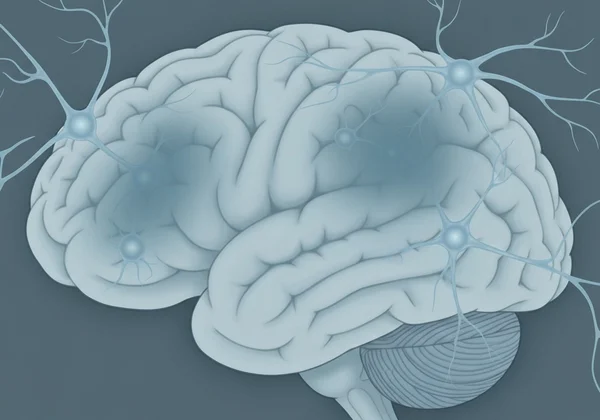
How Brain Chemistry Disrupts Your Pleasure Response
Your brain is wired with a complex reward system. When this system is dysregulated, your ability to feel pleasure can be significantly diminished. This isn't a personal failing; it's a matter of brain chemistry. Let's explore the key neurochemicals involved.
The Dopamine Dilemma: Why Your Reward System Goes Silent
Dopamine is often called the "feel-good" neurotransmitter, but its role is more about motivation and anticipation than pleasure itself. It drives you to seek out rewarding experiences. In anhedonia, the problem often lies in a blunted dopamine system. Your brain may not release enough dopamine when you engage in an activity, or your receptors may be less sensitive to it.
The result? The motivation to pursue hobbies, connect with friends, or even eat a favorite meal disappears. The anticipation of enjoyment simply isn't there, making the world feel flat and colorless.
Serotonin and Norepinephrine: Mood Regulators That Affect Pleasure
While dopamine handles the "wanting," other neurotransmitters like serotonin and norepinephrine play a crucial role in regulating your overall mood, which directly impacts how you experience pleasure.
- Serotonin is linked to feelings of well-being and happiness. Low levels can contribute to a depressive state where pleasure feels distant and inaccessible.
- Norepinephrine influences alertness and energy. When it's out of balance, you might feel fatigued and apathetic, making it difficult to engage with the world in a positive way.
These systems are interconnected. A disruption in one can easily affect the others, creating a complex chemical imbalance that fuels the symptoms of anhedonia.
Opioid System Deficits: The Chemistry Behind Emotional Numbness
Your brain has its own natural opioid system, which is responsible for the actual "liking" part of a rewarding experience—the warm, pleasurable sensation itself. This system produces endorphins, which are chemicals that act like natural painkillers and mood enhancers.
When this system is underactive, you might engage in activities you once loved without feeling anything. This is the essence of emotional numbness. You might know something should be enjoyable, yet the pleasant sensation never comes. This is a crucial aspect of anhedonia's biological underpinnings.
The Hidden Connection: Inflammation's Impact on Anhedonia
Recent research has uncovered a powerful link between chronic, low-grade inflammation and mental health conditions, including anhedonia. While we often think of inflammation in terms of physical injury, it can also occur systemically throughout the body and even affect the brain.
How Systemic Inflammation Hijacks Your Brain's Pleasure Centers
When your body is in a state of chronic inflammation, your immune system releases proteins called cytokines. These inflammatory messengers can cross the blood-brain barrier and disrupt the normal functioning of your brain's reward pathways.
Essentially, your immune system's response to stress, poor diet, or illness can directly interfere with the neurotransmitter systems we just discussed. Inflammation can reduce the production and release of dopamine and serotonin, effectively putting a damper on your ability to feel pleasure and motivation. Getting a baseline of your symptoms with an online assessment can be a helpful first step in understanding your experience.
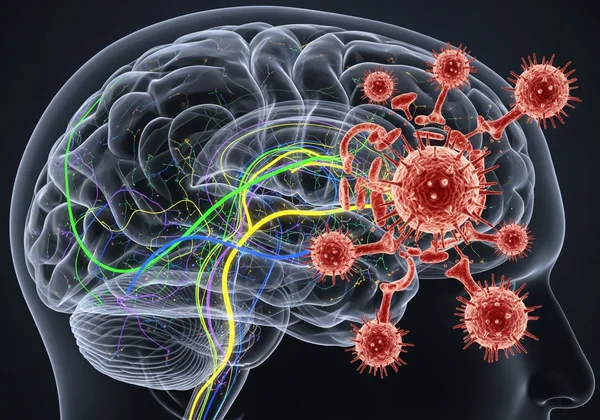
Cytokines and Neurotransmitter Production: The Inflammation-Chemistry Link
Inflammatory cytokines do more than just signal the immune system; they actively change your brain's chemistry. For example, certain cytokines can divert a crucial building block (tryptophan) away from serotonin production and toward the creation of other chemicals that can be toxic to brain cells.
This process directly reduces the availability of key mood-regulating neurotransmitters. It’s a clear biological mechanism showing how a physical state—inflammation—can lead to a psychological symptom like anhedonia.
Clinical Evidence: Measuring Inflammation in Anhedonic Patients
Studies have shown that individuals experiencing depression and anhedonia often have higher levels of inflammatory markers, such as C-reactive protein (CRP), in their blood. Researchers can measure these markers to see a tangible connection between inflammation and mood.
This evidence reinforces that anhedonia is not "all in your head." It can be a physiological response to an underlying inflammatory condition. Addressing the root cause of the inflammation, through lifestyle changes or medical treatment, is becoming a key focus in modern mental health care.
Genetic Factors: Are You Predisposed to Anhedonia?
While environment and lifestyle play a huge role, your genes can also influence your susceptibility to anhedonia. Certain genetic variations can make your brain's reward system inherently less responsive or more vulnerable to the effects of stress and inflammation.
Dopamine Receptor Variants: Genetic Keys to Reward Processing
Your genes provide the instructions for building dopamine receptors. Some people have genetic variants that result in fewer or less sensitive dopamine receptors. This can create a biological predisposition for a less active reward system.
If you have one of these variants, you might naturally require more stimulation to feel the same level of pleasure or motivation as someone else. This doesn't guarantee you'll develop anhedonia, but it can be a contributing factor, especially when combined with stress or other triggers.
Serotonin Transporter Polymorphisms: Mood and Pleasure Genes
Similarly, the gene responsible for the serotonin transporter (SERT) has different variations. This transporter is responsible for recycling serotonin in the brain, and its efficiency can impact your overall mood.
Certain polymorphisms (gene variations) are linked to a higher risk of depression and anxiety, especially in response to stressful life events. Since serotonin levels are closely tied to your ability to experience pleasure, these genetic factors can indirectly contribute to anhedonia.
The Genetic Puzzle: Why Some Develop Anhedonia While Others Don't
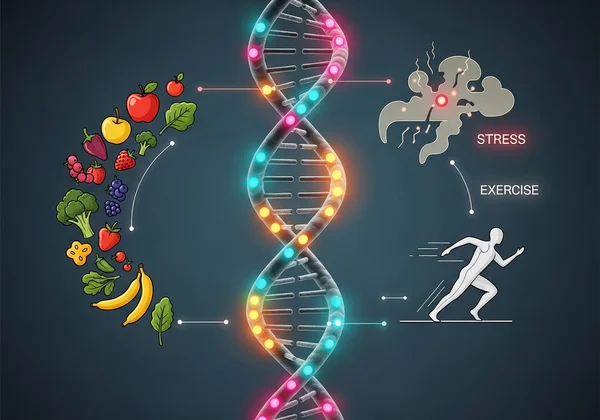
Genetics are just one piece of the puzzle. Having a genetic predisposition does not mean anhedonia is your destiny. It simply means you may be more vulnerable. Epigenetics is key here. It's how your behaviors and environment can influence how your genes function.
Factors like chronic stress, trauma, diet, and exercise can "turn on" or "turn off" certain genes. This explains why two people with the same genetic risk factor may have very different outcomes. Understanding your unique situation is key, and taking a structured self-assessment can provide clarity.
Your Path Forward: From Science to Self-Understanding
Discovering the biological roots of your anhedonia—from brain chemistry to inflammation and genetic factors—can bring a sense of relief and understanding. It validates what you're experiencing, confirming that these feelings are real and have physical causes. This isn't a sign of weakness or a personal flaw.
This knowledge provides a powerful context for your feelings. While science explains the 'what' of anhedonia, your experience reveals the 'how.' Research offers insights, but your journey is uniquely yours. This is where a personalized assessment becomes so valuable, as it helps bridge the gap between general scientific knowledge and your individual reality.
Your path forward begins with self-understanding. By taking a moment to reflect on your symptoms, you can start to connect the dots. A confidential and science-backed tool can provide a clear, objective snapshot of where you stand. Ready to take that first step? Start your test today to gain instant, confidential insights and rediscover your capacity for joy.
The Takeaway
Is anhedonia a sign of brain damage?
In most cases, anhedonia is not a sign of permanent brain damage. It is more accurately described as a state of brain dysfunction, where communication between reward pathways is disrupted. These changes are often reversible with the right support, lifestyle changes, and sometimes professional treatment.
Can nutritional deficiencies cause anhedonia?
Yes, certain deficiencies can contribute to the symptoms of anhedonia. Your brain needs specific nutrients to produce neurotransmitters. For example, deficiencies in B vitamins (especially B12 and folate), magnesium, zinc, and vitamin D have all been linked to depressive symptoms, including anhedonia. A balanced diet is fundamental to brain health.
How rare is anhedonia from a biological standpoint?
Anhedonia itself is not rare; it's a core symptom of major depressive disorder and is also present in other conditions like schizophrenia and Parkinson's disease. From a biological standpoint, the underlying vulnerabilities—like genetic variations in dopamine receptors or a propensity for inflammation—are quite common in the general population.
What supplements might help with neurochemical imbalances?
Some research suggests supplements like S-Adenosylmethionine (SAMe), omega-3 fatty acids, and St. John's Wort may influence neurotransmitter levels. However, it is critically important to consult with a doctor or psychiatrist before taking any supplements for mental health. They can interact with medications and may not be appropriate for everyone. A structured assessment like our free anhedonia test is a safe first step before considering further action.