Does Anhedonia Go Away? Free Anhedonia Test & Recovery Guide
Feeling disconnected from the world? When life's colors fade to gray and activities you once loved feel empty, it’s easy to feel stuck. You might be wondering, does this feeling of emotional numbness ever end? The answer is a hopeful yes. Recovery from anhedonia—the clinical term for the loss of pleasure—is a process, not an overnight fix. But it is possible.
This guide will walk you through the path to recovery. We'll explore what improvement looks like, the factors that influence your timeline, and how you can track your progress along the way. Understanding your starting point is the first step to rediscovering joy. A simple self-assessment can help. Gain instant insights into your emotional well-being.

Understanding Anhedonia Recovery: Can Joy Return?
The idea of reclaiming joy can feel distant when you're in the midst of anhedonia. However, understanding the nature of recovery is crucial for building hope and momentum. It’s not about a sudden switch back to "normal," but a gradual process of reconnection and healing.
What is Anhedonia & Why Does it Feel Persistent?
Anhedonia is more than just feeling sad or bored; it's a significant reduction in your ability to experience pleasure. This can apply to everything from hobbies and food to social interactions and personal achievements. It often feels persistent because it can be linked to changes in the brain's reward pathways, particularly related to the neurotransmitter dopamine.
When these pathways aren't functioning as they should, your motivation and ability to feel positive emotions can decline sharply. This creates a cycle where a lack of pleasure leads to less engagement with the world, which in turn provides fewer opportunities to experience joy. This feeling of being stuck is a common experience, but it is not a permanent state.
Recognizing the Early Signs of Anhedonia Improvement
Recovery from anhedonia often begins with small, almost unnoticeable shifts. It’s important to celebrate these subtle signs of progress, as they are the building blocks of lasting change. You might not feel a sudden burst of happiness, but you may notice:
- A flicker of curiosity: You find yourself genuinely wondering about something, even for a moment.
- Minor sensory pleasure: The warmth of the sun on your skin feels slightly comforting, or a favorite food tastes a little less bland.
- Brief emotional connection: You feel a pang of empathy while watching a movie or a moment of amusement from a joke.
- A slight increase in energy: You have the motivation to complete a small task you’ve been putting off, like taking a short walk.
These moments are signs that your brain is slowly beginning to reconnect with positive experiences. Acknowledging them can provide the encouragement you need to keep moving forward.
Factors Influencing Your Anhedonia Recovery Timeline
Every person's path with anhedonia is unique, and so is their recovery timeline. There is no standard duration. Several key factors can influence how long it takes to heal, and understanding them can help you set realistic expectations for your recovery.
The Role of Professional Support: Therapy & Medication
You don't have to navigate recovery alone. Professional support is often the cornerstone of an effective treatment plan. Therapies like Cognitive Behavioral Therapy (CBT) and Behavioral Activation are designed to help you challenge negative thought patterns and gradually re-engage with rewarding activities.
In some cases, anhedonia is a symptom of an underlying condition like depression. A psychiatrist or doctor may recommend medication, such as antidepressants that target specific neurotransmitter systems, to help restore your brain's chemical balance. Combining therapy with medication can be a powerful strategy for many individuals.
Lifestyle & Self-Care: Pillars of Long-Term Recovery
Professional treatment is vital, but so are the daily choices you make. Building a foundation of healthy habits creates an environment where your mind and body can heal. These lifestyle pillars are essential for long-term well-being:
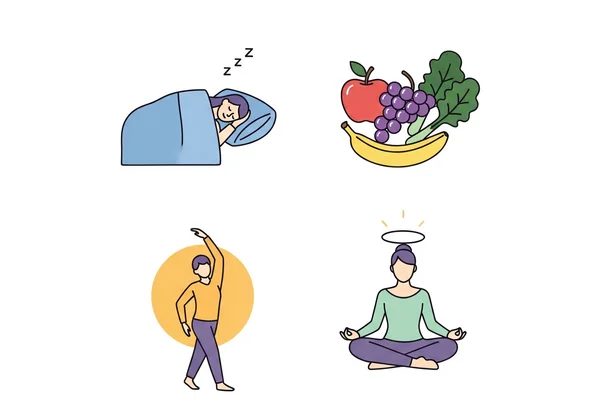
- Gentle Movement: Regular physical activity, even a simple daily walk, is proven to boost mood and stimulate the brain's reward centers.
- Balanced Nutrition: A diet rich in whole foods, omega-3 fatty acids, and essential vitamins can support brain health.
- Consistent Sleep: Prioritizing 7-9 hours of quality sleep per night is crucial for emotional regulation and mental clarity.
- Mindfulness Practices: Techniques like meditation and deep breathing can help you reconnect with the present moment and notice subtle sensations.
Taking the first step can be the hardest part. Gaining a clearer understanding of your current state can provide the motivation you need. You can start your self-assessment privately and in just a few minutes.
Common Roadblocks to Overcome on Your Path to Joy
The path to recovery is rarely a straight line. It's normal to encounter roadblocks and setbacks along the way. Expecting them can make them easier to manage when they appear. Common challenges include:
- Frustration and Impatience: Healing takes time, and it's easy to get discouraged if you don't see rapid progress.
- Pressure to "Be Happy": Feeling forced to enjoy things can backfire, creating more stress and emotional distance.
- Temporary Dips: You may have good days followed by bad days. This is a normal part of the healing process, not a sign of failure.
When you face these challenges, practice self-compassion. Remind yourself that healing is a process of ups and downs. Focus on consistency rather than perfection and celebrate the small victories.
Tracking Progress: How the Anhedonia Test Helps Your Recovery
How do you know if your efforts are working? When recovery is gradual, it can be hard to see the changes happening. This is where objective self-assessment becomes an invaluable tool. Tracking your symptoms provides concrete evidence of your progress, offering motivation and clarity.
Why Re-testing Matters for Monitoring Your Well-being
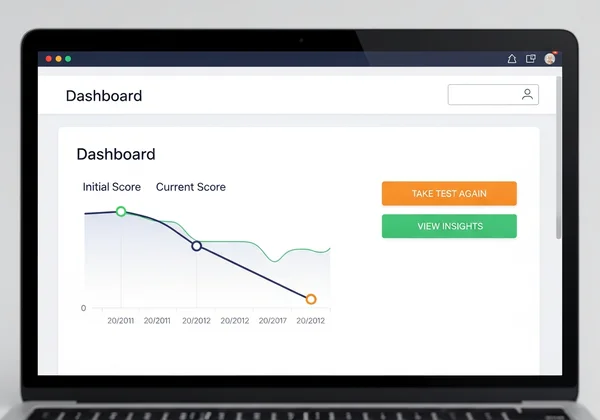
Taking an anhedonia test isn't a one-time event. Think of it like a personal emotional check-in. Take a baseline test first. Then re-test every few weeks or months. This creates a map of your recovery.
This practice helps you:
- Establish a Starting Point: Know where you are right now so you can measure how far you've come.
- Identify Small Changes: A score that drops even a few points can signify meaningful progress that you might not have noticed otherwise.
- See What's Working: Notice if your score improves after implementing new strategies, like starting therapy or improving your sleep.
- Stay Motivated: Seeing tangible proof of improvement can give you the encouragement to continue your efforts.
Interpreting Your Anhedonia Test Results for Progress & Next Steps
Your anhedonia test score is not a label or a diagnosis. It is a snapshot of your current state. The real value comes from observing the trend over time. A decreasing score suggests that your capacity for pleasure is improving.
Use your results as a conversation starter. Share your initial score and progress with a therapist or doctor. It gives them valuable insights into your condition. It helps them understand your experience better and tailor your treatment plan more effectively. This data empowers you to take an active role in your own recovery. Ready to check your progress? The tool is free, confidential, and based on the scientifically validated SHAPS (Snaith-Hamilton Pleasure Scale).
Embracing Your Path to Rediscovering Joy and Well-being
The path out of anhedonia is a testament to your resilience. Recovery is not only possible but is built on a foundation of small, consistent steps. Remember that joy can return, often starting as a quiet flicker before it grows into a warm, steady light.
Be patient and compassionate with yourself. Celebrate every small sign of improvement, seek professional support, and build healthy lifestyle habits. Above all, know that understanding where you are is the first step toward where you want to be.
Are you ready to gain clarity on your path? Take the free Anhedonia Test to get instant, confidential insights and begin your path to rediscovering pleasure.

Frequently Asked Questions
Does anhedonia ever truly go away?
Yes, for many people, anhedonia can significantly improve or resolve completely. The right mix works for many. It includes professional support, lifestyle changes, and time. You can fully regain joy and pleasure. Recovery is a personal process, but a positive outcome is a realistic goal.
How can I test my anhedonia progress over time?
Using a consistent and reliable self-assessment tool is the best way to track your progress. An online anhedonia quiz based on a scientific scale like SHAPS provides an objective score. By taking the test periodically, you can monitor changes and see tangible evidence of your improvement.
What factors can worsen anhedonia symptoms during recovery?
Several factors can create setbacks. High levels of stress, chronic lack of sleep, social isolation, and poor nutrition can all worsen symptoms. It's also important to be aware that stopping a treatment plan abruptly or facing a significant life stressor can cause a temporary dip in progress.
Can people with anhedonia still experience emotions like crying or laughing?
Yes. Anhedonia is specifically about the loss of pleasure or positive feelings. A person with anhedonia can often still experience other emotions, including sadness, anger, and frustration. They might even laugh reflexively at a joke without feeling the deep, internal sense of joy or amusement that typically accompanies it.