From Numbness to Feeling: Your Anhedonia Recovery Hub
Does life feel like it's in grayscale? Anhedonia, the reduced ability to feel pleasure, can be isolating. This resource hub provides a structured path, from understanding the science to finding practical tools for recovery.
Key Research & Guides
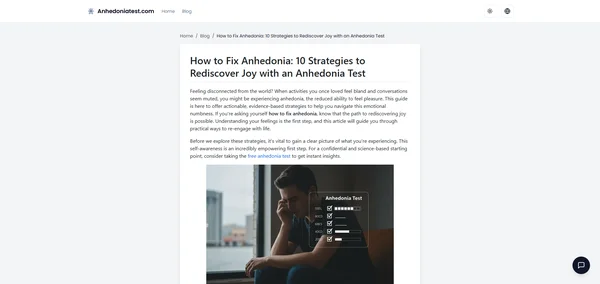
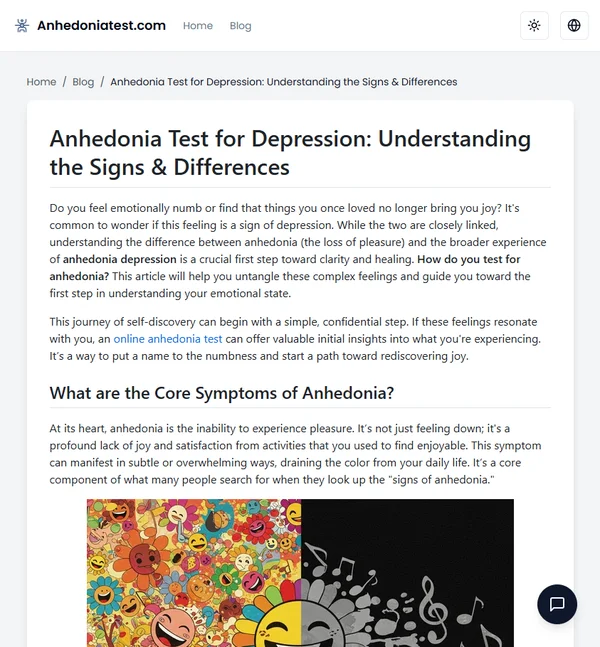
Begin by understanding the fundamentals. These articles explain the core signs of anhedonia, its different types, and how it connects to conditions like depression, providing a knowledge base for your next steps.
Lectures & Expert Talks
Visual and auditory learning can offer new perspectives. Here, psychiatrists and psychologists break down the neuroscience behind the loss of pleasure and discuss evidence-based strategies to start rebuilding your reward pathways.
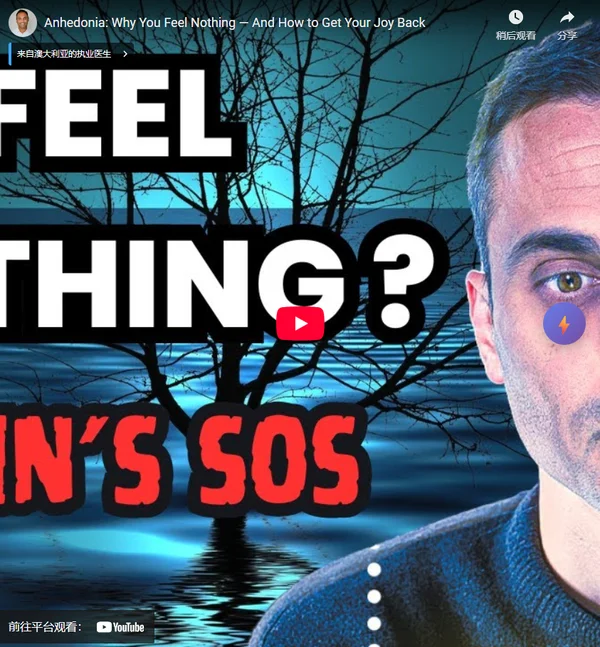
Anhedonia: Why You Feel Nothing — And How to Get Your Joy Back
A clear, compassionate video that explains why anhedonia happens and offers a hopeful, science-based pathway back to feeling joy again.
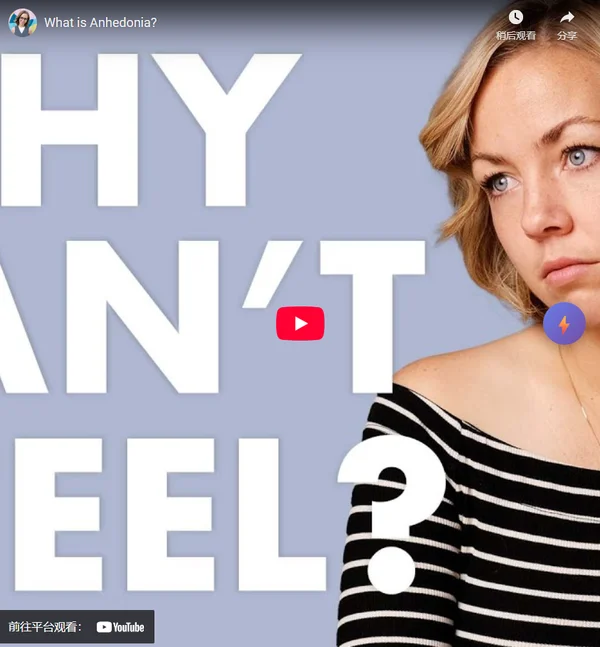
What is Anhedonia?
A perfect introduction to the topic. This short, concise video provides a clear and easy-to-understand definition of anhedonia.
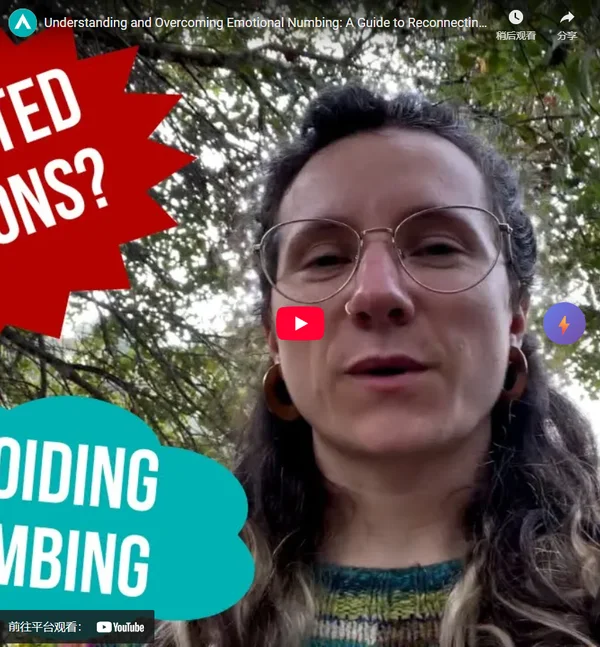
Understanding and Overcoming Emotional Numbing
This video explores the broader experience of emotional numbing, offering professional insights and practical advice for how to reconnect.
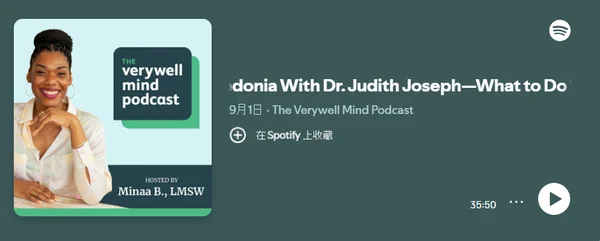
Unpacking Anhedonia With Dr. Judith Joseph—What to Do When You Lose Interest in Everything
A board-certified psychiatrist breaks down the causes of anhedonia and shares expert, actionable advice for what you can do about it.
Emotional numbness - Savvy Psychologist
From a trusted psychology podcast, this episode demystifies the experience of emotional numbness, explaining the 'why' behind the feeling.
S2 Ep2: Anhedonia: Feeling 'Blah'
A relatable podcast that perfectly captures the feeling of 'blah.' A comforting listen that validates the subtle experience of anhedonia.
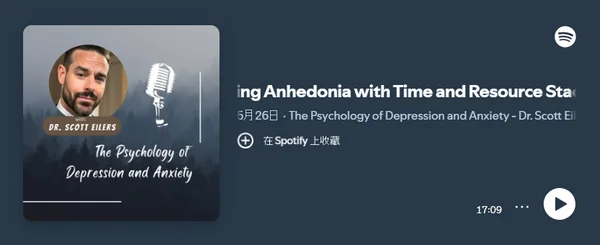
Hacking Anhedonia with Time and Resource Stacking
This podcast offers a unique and practical 'hacking' approach to rebuilding your brain's reward system through structured daily habits.
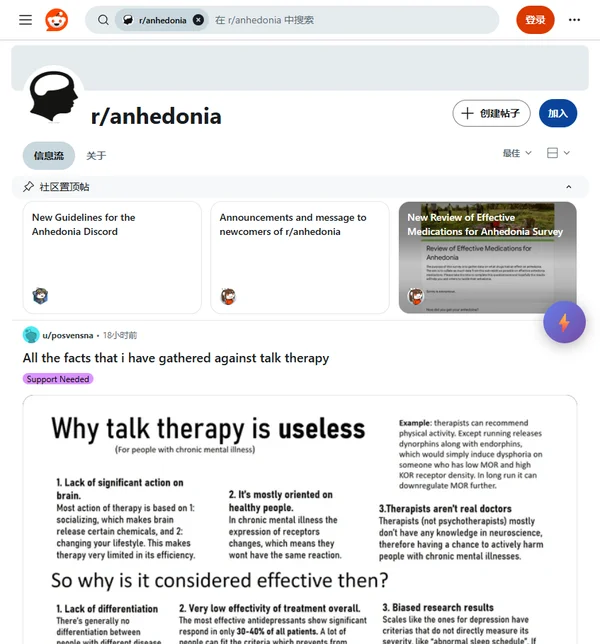
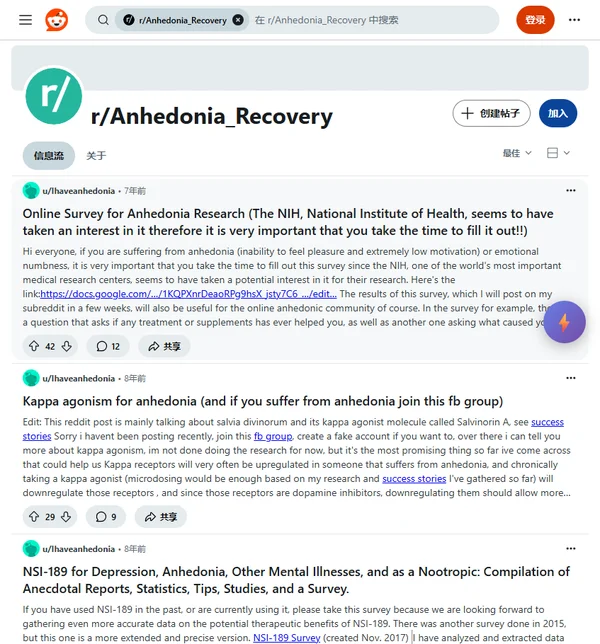
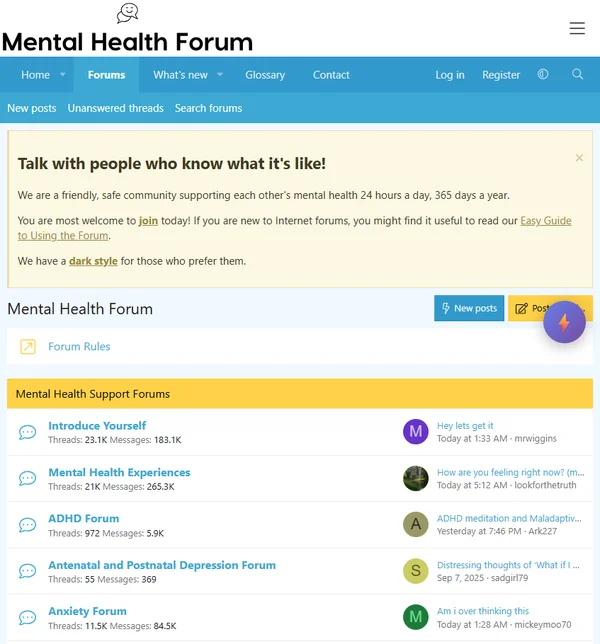
Peer Forums & Communities
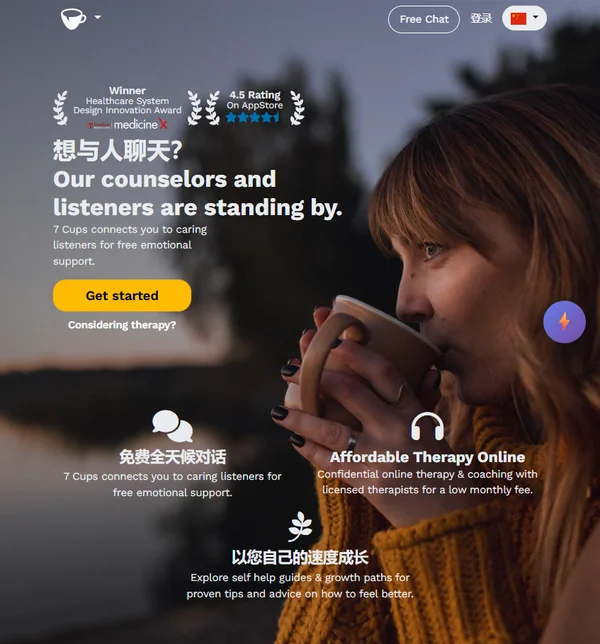
Feeling emotionally numb can be an incredibly lonely experience. Connecting with others who share this struggle offers validation, hope, and a space to exchange recovery strategies that have made a difference.
Assessment & Apps
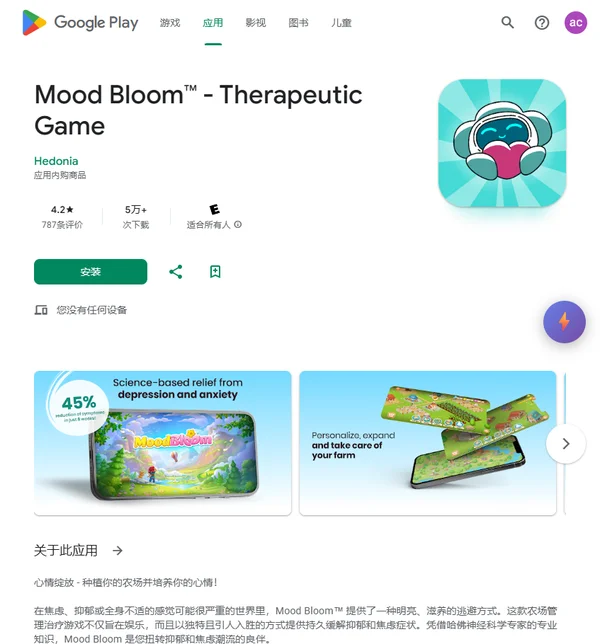
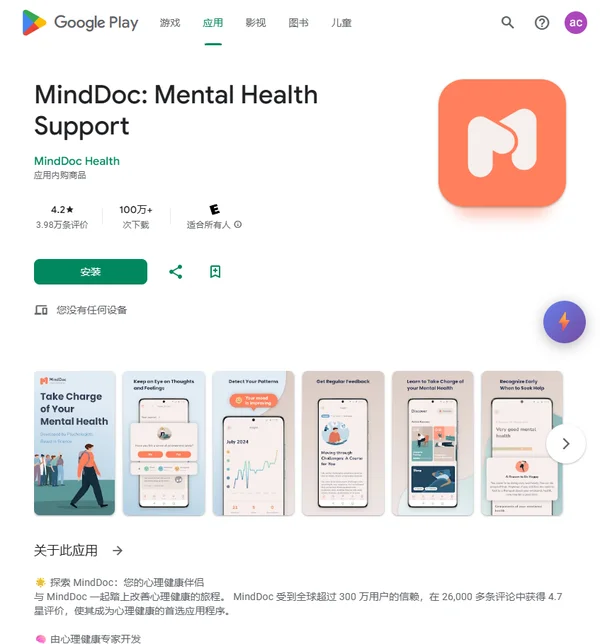
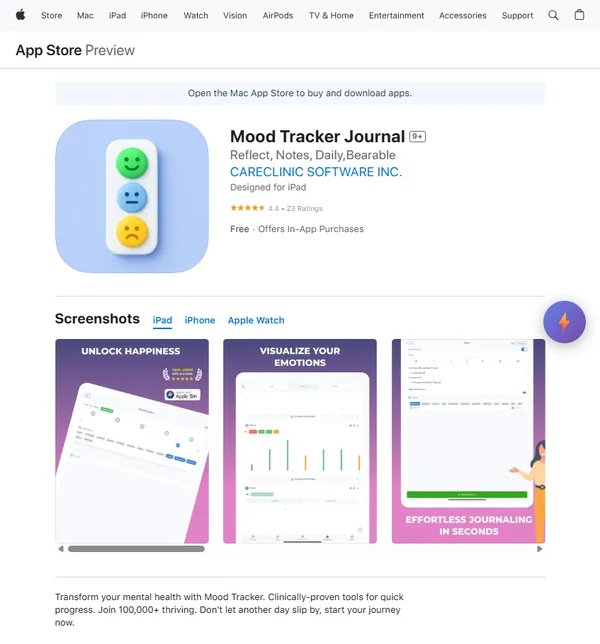
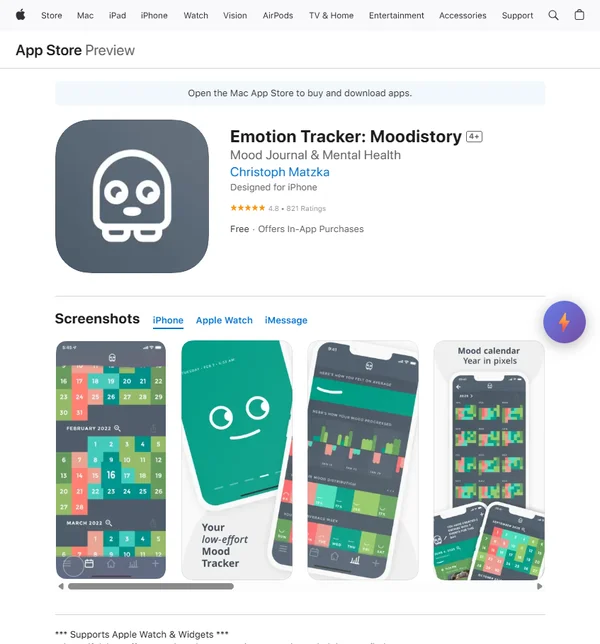
Recovery often involves consistent, small actions. These apps provide tools for mood tracking and implementing principles of behavioral activation—a key therapy for anhedonia—to help you gently re-engage with positive activities.
Recommended Reading
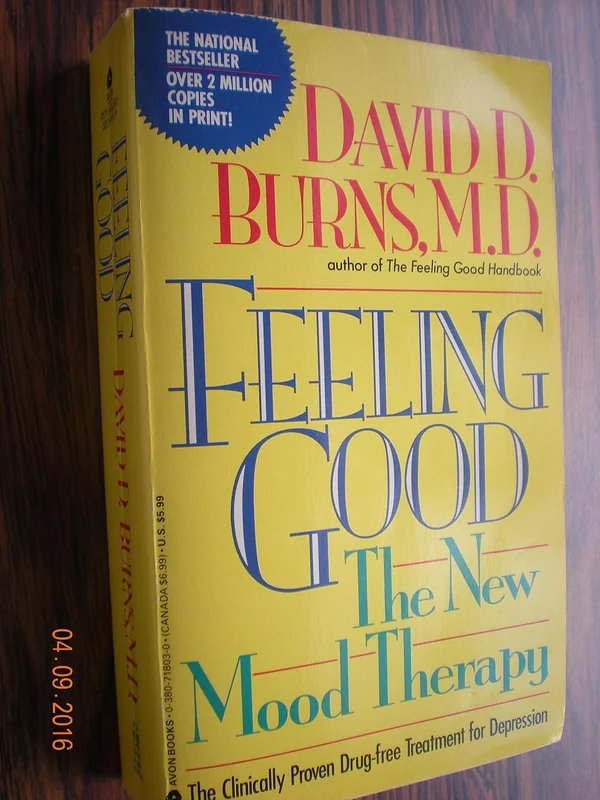
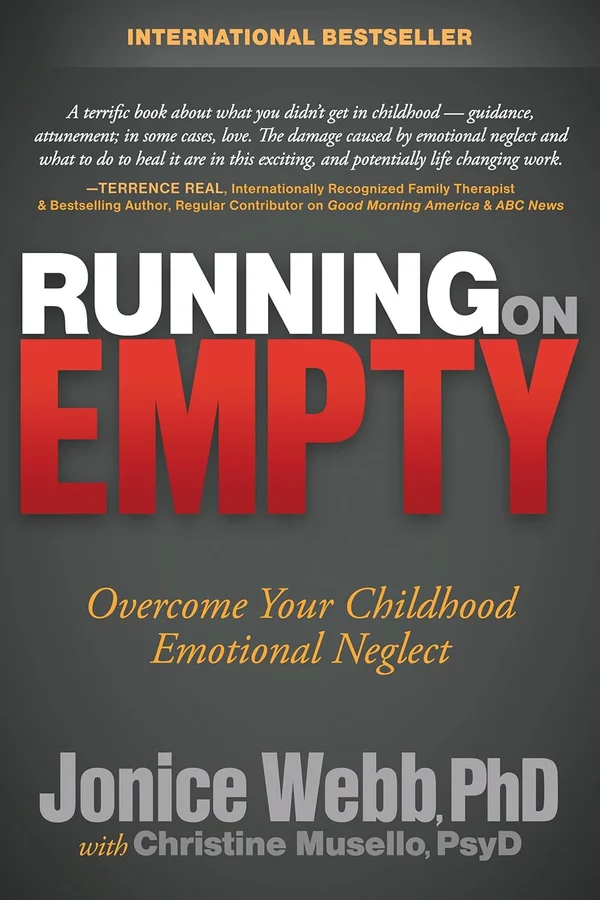
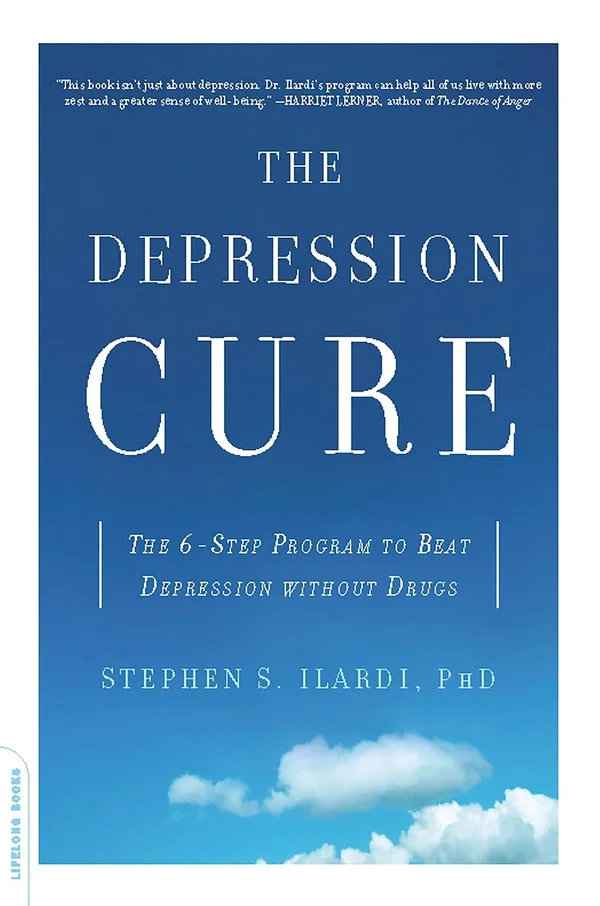
For a deeper dive, these books offer comprehensive, science-backed frameworks. They explore everything from Cognitive Behavioral Therapy (CBT) techniques to the neuroscience of reversing depression's course.
Map Your Emotional Landscape with the Anhedonia Test
Knowledge is the first step. Translate what you've learned into personal insight by taking our free, confidential test based on the SHAPS scale.
Check for AnhedoniaClinical Caution
This information is for educational purposes and is not a substitute for a clinical diagnosis. Anhedonia is a serious symptom often linked to depression and other conditions. Please consult a qualified healthcare professional for an accurate assessment and treatment plan.
Help Us Build a Better Hub
This library is always evolving. If a specific resource was crucial to your recovery journey and you don't see it here, please contact us. Your suggestions are vital for helping others find what works.