How to Find Joy in Life When Depressed Without Forcing Happiness
When you are depressed, joy can feel less like a feeling you misplaced and more like a language you no longer speak. Music may sound flat. Food may be fine but not enjoyable. People may still matter to you, yet connection can feel distant. If you are searching for how to find joy in life when depressed, the first step is not to pressure yourself into cheerfulness. It is to create small, repeatable chances for your mind and body to notice safety, interest, comfort, or meaning again. A gentle resource such as a compassionate anhedonia self-check can also help you name the loss of pleasure without treating one online result as a clinical conclusion.

Why Joy Can Feel Out of Reach
Depression can narrow attention, drain energy, change sleep, and make ordinary tasks feel unusually heavy. For many people, it also reduces the ability to feel pleasure, interest, or reward. That experience is often called anhedonia. It may show up as "I know I used to like this, but I cannot feel it now," or "I can do the activity, but it does not reach me."
This matters because the usual advice to "do what makes you happy" can land badly. If your reward system is muted, a favorite hobby may not produce the old spark right away. That does not mean the activity is useless or that you are failing. It may mean your system needs lower expectations, more repetition, and more support before pleasure becomes noticeable again.
Joy also does not have to mean excitement. In a depressed season, joy may begin as relief, steadiness, warmth, a slight sense of interest, or a moment that feels one percent less numb. Those smaller signals count. They are often the first clues that your mind can still respond, even if the response is quiet.
Name the Difference Between Joy, Pleasure, and Meaning
When people ask how to make themselves happy when depressed, they are often asking for several different things at once. Pleasure is the immediate reward of something enjoyable. Joy can be broader: a sense of connection, beauty, purpose, or peace. Meaning is the feeling that something matters, even when it is not fun.
This distinction helps because depression may block pleasure more strongly than meaning. You might not enjoy a walk, but you may still value giving your body daylight. You might not feel excited to message a friend, but you may still care about keeping one thread of connection open. You might not feel proud after washing dishes, but a clearer counter may reduce tomorrow's stress.
If the loss of pleasure is the main thing you notice, an anhedonia screening and reflection tool can help you organize what has changed. Use it as a language-building step, not as a verdict. The useful question is: which parts of pleasure feel muted, and which parts of life still carry even a small sense of value?
Start With Tiny Joy Experiments
When energy is low, the best first experiment is small enough that it does not require motivation. Think in terms of "exposure to possible reward," not "prove I can be happy." You are giving your brain a gentle opportunity to notice something, while accepting that it may not happen every time.
Try a ten-minute version of something that once helped: sit outside with a drink, listen to one song, stretch on the floor, rinse your face, open a window, or put on clean clothes. Before you start, rate your numbness, heaviness, or interest from 0 to 10. Afterward, rate it again. The goal is not a dramatic improvement. A shift from 8 to 7 matters because it shows that conditions can move.
Use a low-friction menu:
- Comfort: warmth, soft fabric, shower, tea, simple food.
- Movement: a short walk, slow stretching, one song of movement.
- Novelty: a new route, a different podcast, a small change in lighting.
- Sensory grounding: scent, texture, temperature, music, color.
- Mastery: one tiny task with a clear finish.
If nothing feels good, choose the option that feels least punishing. Depression often makes choices feel falsely equal, as if nothing can matter. Repetition gives you better data than guessing from the couch.

Reduce the Pressure to Feel Happy
Pressure can make joy feel like a performance. If you keep checking, "Am I happy yet?" the activity becomes a test, and the test can swallow the moment. A kinder approach is to aim for contact rather than emotion. Contact means you showed up: you touched sunlight, heard music, tasted soup, walked around the block, or sat near someone safe.
One helpful phrase is: "I am practicing access, not forcing a result." Access means making the doorway easier to enter. You can lower the time, reduce the social demand, change the setting, or pair the activity with something comforting. If reading used to bring joy but now feels impossible, try one page, an audiobook, or rereading something familiar. If cooking is too much, assemble food instead of cooking from scratch.
It is also okay if some old joys do not work right now. Depression can change what feels tolerable. Treat that as information, not a final statement about who you are. The question becomes: what version of this is gentle enough for today?
Reconnect With People in Smaller Ways
Isolation can deepen numbness, but social contact may feel exhausting when you are depressed. You do not need to become socially energetic to benefit from connection. Start with formats that require less performance: sitting near someone, sending a short honest text, sharing a practical errand, or asking a trusted person to check in without expecting a long conversation.
Try scripts that do not require explaining everything:
- "I am having a low week. Could you send me something ordinary later?"
- "I do not have much conversation in me, but I would like company."
- "Can we take a short walk and not make it a big thing?"
Connection can also include professional support, peer support, or structured groups. If you have thoughts of self-harm, feel unsafe, or feel unable to get through the next hours, seek urgent help. In the United States, call or text 988 for crisis support, and call 911 for immediate danger. If you are outside the United States, contact local emergency services or a local crisis line.

Track Patterns Without Turning Life Into Homework
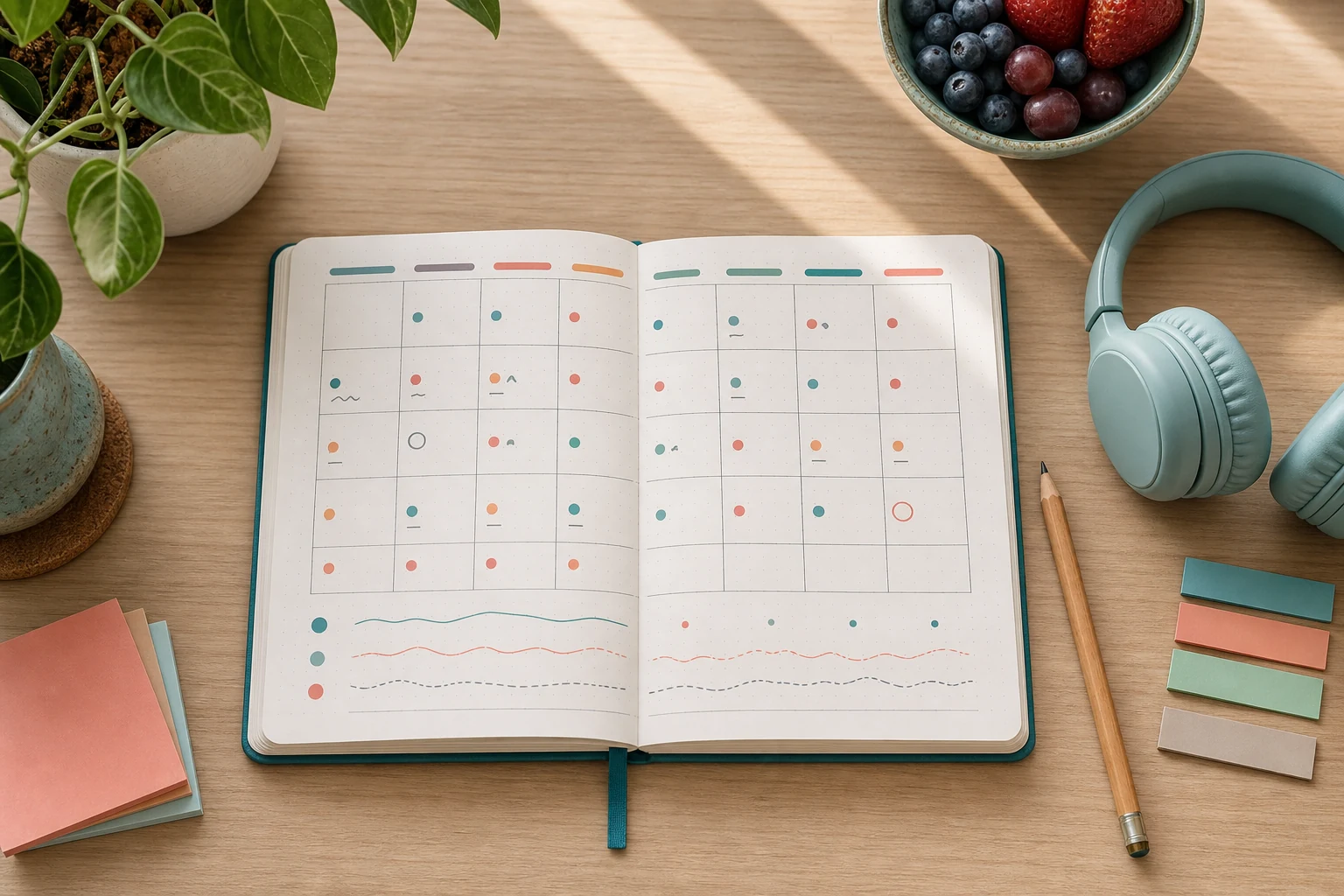
Tracking can help when memory becomes biased by depression. On hard days, the mind may say, "Nothing ever helps." A simple record can show a more precise pattern: morning light helped a little, scrolling late made sleep worse, music was flat but a shower reduced tension, being alone all day intensified numbness.
Keep it very small. Use three columns: what I tried, what changed, and what I learned. You can also track energy, sleep, appetite, movement, social contact, and medication changes if relevant. Bring these notes to a therapist, doctor, or counselor if you are already working with one. Patterns are often easier to discuss than vague statements like "I feel nothing."
Avoid using tracking to judge yourself. The point is not to prove that you did enough. The point is to notice which conditions make joy slightly more reachable and which conditions make numbness heavier.
When to Ask for More Support
Self-help steps can be useful, but persistent loss of joy deserves care. Consider reaching out to a healthcare provider or mental health professional if numbness lasts for weeks, interferes with work or relationships, comes with major sleep or appetite changes, follows a medication change, or appears with hopelessness or thoughts of self-harm.
A professional can help explore depression, trauma, grief, burnout, substance use, medical factors, medication side effects, or other contributors. That does not mean something is "wrong" with you. It means the problem is important enough to deserve informed support.
If you already have a provider, bring concrete observations: what stopped feeling rewarding, when it began, what still feels meaningful, what you have tried, and what makes symptoms worse. Specific examples help someone understand your experience more quickly.
A Gentle Way to Keep Looking for Joy
The search for how to find joy in life when depressed should not become another reason to criticize yourself. Think of joy as something you make room for, not something you command. You can build a small rhythm: one body-based action, one connection action, one comfort action, and one meaning action each day or week. Keep them tiny enough that they remain possible on low-energy days.
You might also use a calm self-exploration starting point to put words around emotional numbness before talking with someone you trust. The aim is not to label your whole life from one score. The aim is to understand your pattern, lower shame, and choose one next step with more clarity.
Joy may return unevenly. It may arrive as a few seconds of warmth, a task that feels less impossible, a conversation that does not drain you, or a morning that feels slightly more open. Let those small signals be enough to continue gently.
FAQ
Why do I not find joy in anything?
There are many possible reasons, including depression, anhedonia, chronic stress, grief, burnout, trauma, medical issues, medication effects, substance use, or lack of sleep. If the loss of joy is persistent or affects daily life, it is worth discussing with a healthcare provider or mental health professional.
How do I make myself happy when depressed?
It may be more realistic to start with tiny actions that create contact with comfort, meaning, movement, or connection. Try a short walk, a simple meal, a text to a safe person, a shower, or one manageable task. Do not measure success only by whether you feel happy immediately.
How do I get out of anhedonia?
Anhedonia often improves by addressing what is contributing to it. That may involve professional support, therapy, medication review, routine changes, sleep care, movement, social connection, or gradual re-engagement with rewarding activities. Because causes vary, individualized support can matter.
How can I find joy in life again?
Begin by lowering the pressure. Look for small signs of relief, interest, warmth, or meaning rather than intense happiness. Repeat low-friction activities, track what changes even slightly, and involve supportive people when possible.
What if things I used to love feel empty now?
That can happen during depression or anhedonia. Try smaller versions, different formats, or related activities. For example, if playing music feels like too much, listen to one familiar song. If seeing friends feels overwhelming, sit with one trusted person for a short time.
When should I seek urgent help?
Seek urgent help if you feel at risk of harming yourself, have thoughts of suicide, cannot stay safe, or feel unable to get through the next few hours. In the United States, call or text 988 for crisis support, and call 911 in immediate danger.