Why Do I Enjoy Being Sad? Reasons It Can Feel Comforting
If you have ever wondered, "Why do I enjoy being sad?", you are not alone, and the answer is not always as simple as wanting to feel bad. Sometimes sadness feels meaningful, familiar, honest, or emotionally releasing. It may show up when you listen to sad music, cry alone, revisit old memories, or choose a quiet mood even when nothing is obviously wrong. This article is an educational guide, not a substitute for professional care. It can help you reflect on whether sadness is helping you process something, becoming a habit, or overlapping with emotional numbness. If loss of joy is part of the picture, a gentle anhedonia self-check can also give you language for what you are noticing.
Why Sadness Can Feel Good, Safe, or Familiar
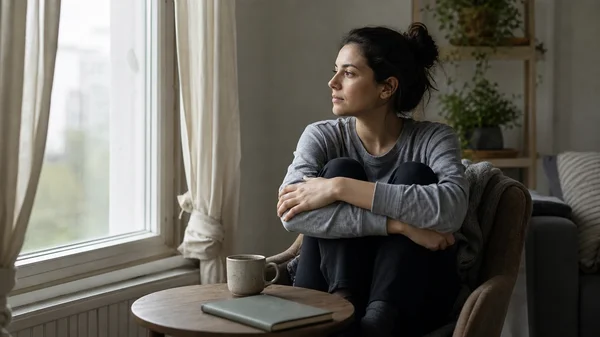
Sadness is usually described as unpleasant, but real emotional life is more mixed than that. A sad song can hurt and soothe at the same time. Crying can feel painful in the moment and lighter afterward. A lonely evening can feel heavy but also calm because it removes the pressure to perform happiness for other people.
That mixed quality is one reason sadness can feel strangely attractive. It may not be "pleasure" in the cheerful sense. It may be relief, honesty, emotional intensity, or the feeling of finally matching your inner state.
One helpful way to think about it is this: sadness sometimes gives your mind a coherent story. If you have felt tense, disconnected, disappointed, or overwhelmed, sadness may organize those scattered signals into one recognizable mood. Instead of feeling vaguely wrong, you can say, "I am sad." Naming the feeling can bring a kind of control.
Sadness can also feel familiar. If you have spent a long time in low moods, loneliness, rejection, grief, stress, or self-doubt, your mind may know the "rules" of sadness better than the rules of ease or joy. Familiar does not always mean healthy, but it can feel safer than an emotion that seems unpredictable.
Why Do I Enjoy Being Sad Sometimes?
The word "sometimes" matters. Occasional sadness can be part of a healthy emotional range. It may help you slow down, pay attention, and understand what matters to you. For example, sadness after a friendship conflict may point toward a need for repair. Sadness after a life change may point toward grief. Sadness after a beautiful film may reflect empathy, memory, or being moved.
Enjoying sadness sometimes can also mean you enjoy the depth around it. Many people are drawn to moods that feel reflective rather than bright. Sadness can make art feel richer, memories feel closer, and private thoughts feel more vivid. In that context, sadness is not necessarily the goal. The goal may be meaning.
But there is a difference between visiting sadness and living inside it by default. A useful question is: can you leave the sad mood when you want to? If you can listen to a sad song, cry, feel calmer, and return to daily life, the pattern may be serving a processing function. If you keep pulling yourself back into sadness even when it makes you feel worse, isolates you, or drains your interest in life, the pattern deserves closer attention.
Try asking:
- Did sadness help me understand something specific?
- Did it help me release emotion, or did it keep me circling the same thought?
- Afterward, do I feel softer and clearer, or more trapped?
- Am I choosing sadness, or does sadness feel like the only emotional place I can reach?
These questions do not label the experience. They help you notice its function.
Sad Music, Crying, and Being Alone
Searches like "why do I enjoy being sad and crying" or "why do I like being sad and alone" often point to a very human need: a private place to feel without interruption. Crying can mark a shift from holding emotion in to letting it move. Being alone can remove the social pressure to explain yourself, reassure someone else, or hide what you feel.
Sad music adds another layer. Research on sad music often describes it as pleasurable when it feels non-threatening, beautiful, and emotionally useful. A song can create a safe container for painful feelings because the sadness is bounded. You can press play, feel something deeply, and stop when you are ready.
Sad music may also create emotional companionship. The singer, melody, or lyrics can make a private feeling seem shared. That is why sad songs can feel especially powerful when you are lonely. They do not fix loneliness, but they may reduce the sense that your feeling is unspeakable.
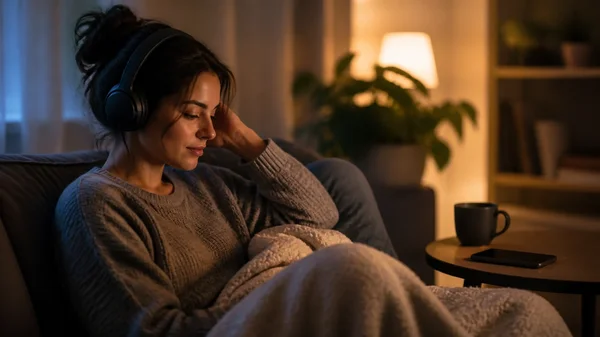
Crying can work similarly. Some people cry because they are overwhelmed; others cry because a feeling finally has enough room to appear. Tears may follow sadness, relief, tenderness, anger, exhaustion, or even gratitude. If crying leaves you feeling clearer, it may be a release. If crying becomes a routine way to punish yourself, replay old wounds, or deepen hopelessness, it may be time to change the pattern.
Romanticizing Sadness and the Pull of Identity
"Why do I romanticize my sadness?" is a common question because sadness can become tied to identity. You may associate sadness with being deep, artistic, loyal, emotionally aware, or more honest than people who seem effortlessly happy. If joy has felt fake, unsafe, or temporary, sadness may seem more real.
This can happen for several reasons. Sadness may fit your self-image. It may match a story you have carried for a long time: "I am the person who gets left out," "I am the one who feels too much," or "Good things never last for me." When sadness supports a familiar story, moving away from it can feel almost like losing a part of yourself.
Sadness can also feel protective. If you expect disappointment, staying sad may seem like a way to prepare. You do not have to risk hope. You do not have to admit you wanted something. You do not have to feel the drop from happiness to hurt.
The cost is that sadness can narrow the emotional roles available to you. You can be thoughtful without staying unhappy. You can be creative without keeping yourself wounded. You can honor pain without making pain the only proof that your inner life is real.
When Enjoying Sadness May Overlap With Emotional Numbness
Sometimes "I enjoy being sad" really means "sadness is the only thing I can still feel clearly." That is a different pattern. If joy, interest, excitement, affection, humor, or motivation all feel muted, sadness may stand out because it cuts through numbness.
This is where the topic can overlap with anhedonia, which broadly refers to reduced ability to feel pleasure or interest. Anhedonia is not the same as ordinary sadness. A person can be sad because they care deeply. A person with emotional numbness may feel detached even from things they used to love. Some people experience both: sadness about feeling numb, plus a pull toward sad media because it produces at least some emotional signal.
If that sounds familiar, it may help to observe pleasure in a more specific way. Instead of asking, "Am I happy?", ask:
- Do I still look forward to anything?
- Do enjoyable things feel flat once I am doing them?
- Do I want connection but feel little when it happens?
- Do I seek sad content because it gives me a stronger feeling than neutral or positive content?
An educational loss-of-joy reflection tool can be a starting point for naming patterns like emotional numbness, reduced reward, or fading interest. It should not be treated as professional care, but it can help organize what you might want to track or discuss.
When Sadness Stops Helping
Sadness is not automatically a problem. A concern is more likely when sadness becomes sticky, repetitive, or costly. The key question is not "Do I ever like sadness?" but "What happens after I choose it?"
Pay attention if sadness repeatedly leads to:
- avoiding people you actually want to stay connected with
- replaying painful memories without new insight
- losing interest in activities that used to matter
- sleeping much more or much less than usual
- feeling worthless, intensely guilty, or unable to function
- using sad content to intensify self-criticism
- feeling unable to access lighter emotions even when life is calm
Public health guidance often treats duration and disruption as important signals. If low mood, emptiness, loss of interest, or related symptoms are present nearly every day for two weeks or more, or if they interfere with daily life, it is wise to talk with a health care provider or mental health professional. If thoughts of self-harm appear, seek immediate support from local emergency services or a crisis support line in your area.
You do not have to wait until things are extreme. Support can be useful when a pattern feels stuck, confusing, or harder to shift than it used to be.
A Gentle Reflection Practice for Sadness
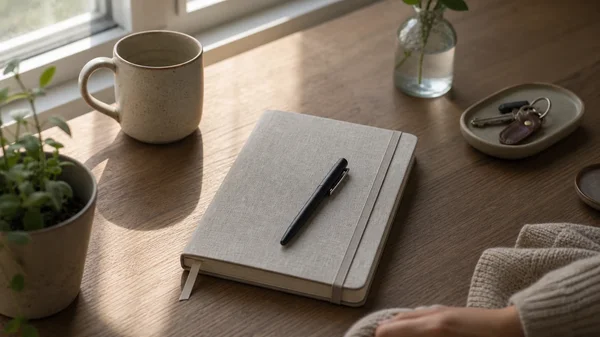
Instead of trying to force yourself out of sadness, try studying the pattern with less judgment. Use a small note on your phone or a page in a journal. Keep it brief enough that you will actually use it.
For one week, record four things when you notice yourself choosing sadness:
- Trigger: What happened before I reached for the sad mood, song, memory, or solitude?
- Need: What might I have needed: rest, comfort, meaning, privacy, attention, repair, or permission to cry?
- Effect: Afterward, did I feel clearer, connected, drained, ashamed, calmer, or more stuck?
- Next small option: What is one gentle action that does not erase the feeling but widens the mood?
That last part matters. The goal is not to ban sadness. The goal is to add choice. A widening action might be opening a window, eating something simple, texting one trusted person, showering, stretching, changing the playlist after three songs, or doing one small task that reconnects you with your day.
If sad music helps, you might create two playlists: one for feeling deeply, and one for returning. If solitude helps, you might give it a boundary: "I will be alone for an hour, then I will make tea and step outside." Boundaries can protect the useful part of sadness while reducing the chance of getting pulled into a loop.

How to Know What Your Sadness Is Asking For
The question "why do I enjoy the feeling of being sad?" often becomes clearer when you separate sadness into possible needs. Sadness may be asking for rest if you have been pushing too hard. It may be asking for grief if something ended. It may be asking for honesty if you have been pretending. It may be asking for connection if loneliness has become normal. It may be asking for help if you feel unable to function.
Here is a simple way to sort it:
- If sadness brings insight, give it language.
- If sadness brings relief, give it a safe container.
- If sadness brings connection, reach toward someone steady.
- If sadness brings numbness into focus, track pleasure and interest more carefully.
- If sadness brings hopelessness or self-harm thoughts, involve real-time support.
For readers who also wonder whether the issue is sadness, depression, burnout, apathy, or loss of pleasure, the site can serve as an anhedonia screening and self-reflection guide. Use it as one piece of information, not as a final answer about your mental health.

FAQ
What is it called when you like being sad?
There is not one everyday label that fits everyone. Some people call it melancholy, bittersweetness, emotional catharsis, nostalgia, or pleasurable sadness. If the sadness is tied to art, music, or beauty, it may be a mixed emotional experience. If it is tied to feeling stuck, numb, or unable to enjoy life, it may be worth exploring more carefully.
Why is sadness pleasurable?
Sadness can feel pleasurable when it creates release, meaning, connection, or emotional honesty. It may also feel good when it is experienced in a safe context, such as music, film, writing, or private reflection. The pleasure is often not simple happiness. It may be relief, being moved, feeling understood, or finally allowing an emotion that has been held back.
Why am I attracted to sadness?
You may be attracted to sadness because it is familiar, emotionally intense, creatively meaningful, or safer than hope. Some people also seek sadness when they feel numb because it is one of the few emotions that still breaks through. The important question is whether sadness helps you process life or keeps you isolated and stuck.
Why do I enjoy being sad and alone?
Being alone can make sadness feel easier because there is no pressure to explain your face, voice, or energy. Solitude can be healthy when it gives you room to rest and feel. It becomes more concerning when it turns into ongoing withdrawal from people, routines, or activities that usually support you.
Why do I like sad music when I am already sad?
Sad music can match your mood, make you feel less alone, and offer a safe structure for emotion. It can also help you cry or reflect. If sad music leaves you calmer, it may be useful. If it repeatedly deepens hopelessness, self-criticism, or disconnection, consider setting limits or pairing it with a returning routine.
Is enjoying sadness a sign of depression?
Not by itself. Many people enjoy sad songs, sad films, rainy moods, or private reflection without having a mental health condition. It is more important to notice duration, intensity, daily functioning, loss of interest, sleep and appetite changes, self-worth, and whether you can still access other emotions. If the pattern worries you or interferes with life, talking with a professional can help.
What should I do if sadness is the only thing I can feel?
Track what still creates even a small signal: interest, comfort, taste, warmth, humor, music, movement, or connection. If most positive feelings feel muted, consider learning about emotional numbness and anhedonia, and bring your observations to a health care provider or mental health professional. If you feel at risk of harming yourself, seek immediate local crisis support.